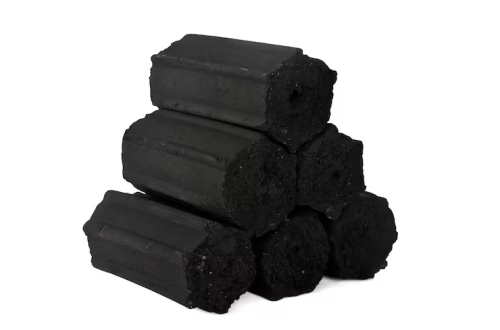
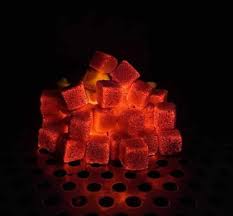
A charcoal briquette provides reliable heat for both home and commercial grilling. Many buyers choose it for stability and efficiency. As a supplier, I focus on performance and consistency. Therefore, I explain its benefits clearly. Moreover, I compare it with traditional lump charcoal.
Benefits of Using A Charcoal Briquette for Daily Cooking
A charcoal briquette burns with uniform size and density. Consequently, it produces steady heat across the grill surface. In contrast, lump charcoal often creates uneven hot spots. Therefore, temperature control becomes harder.
Additionally, consistent shape improves airflow management. As a result, users maintain predictable cooking temperatures. Professional chefs value this stability greatly. For this reason, many restaurants prefer briquettes.
How A Charcoal Briquette Improves Heat Control
A charcoal briquette contains compressed carbon materials. Therefore, it burns in a controlled and gradual manner. Meanwhile, lump charcoal burns irregularly due to natural shapes. Consequently, heat levels fluctuate quickly.
Moreover, briquettes produce consistent ash levels. As a result, cleaning becomes easier after cooking. Users also reduce fuel waste significantly.
Efficiency and Burning Duration of A Charcoal Briquette
Burning duration affects total cooking costs. Therefore, fuel efficiency becomes important for businesses. A charcoal briquette burns longer than lump charcoal. Consequently, users refill the grill less often.
Moreover, longer burn time supports steady low heat cooking. Stable combustion also reduces flare ups. As a result, food cooks evenly and customer satisfaction improves.
Environmental Advantages of A Charcoal Briquette
Sustainability strongly influences modern purchasing decisions. Therefore, eco friendly production is essential. Many briquettes use coconut shells or recycled biomass. As a result, they reduce hardwood consumption.
Moreover, responsible sourcing protects forests. In contrast, lump charcoal often relies on direct wood burning. Consequently, it may increase deforestation risks.
Comparing Performance and Making Smart Decisions
Many buyers still ask whether fuel choice affects cooking quality. Therefore, they search for reliable comparisons. You can read more through this guide on are briquettes better than charcoal. The explanation highlights performance differences clearly.
Additionally, understanding heat stability helps buyers decide confidently. Briquettes provide predictable results for both beginners and professionals. Meanwhile, lump charcoal suits users seeking higher peak heat. However, it requires close monitoring.
Why Backlink Support from Woodland Resources Matters
Informative platforms such as woodlandscarsales.com publish valuable comparison content. Although the website focuses on automotive topics, it also shares educational articles. Therefore, backlinks from such sources strengthen online authority.
Moreover, strong backlink strategies improve search engine visibility. As a supplier, I prioritize informative partnerships. Consequently, customers find reliable fuel solutions more easily.
Choosing the Right Supplier of A Charcoal Briquette
Supplier quality determines long term performance. Therefore, buyers must check production standards carefully. High density briquettes burn longer and ignite faster.
Moreover, secure packaging protects product quality during shipping. As a result, customers receive consistent and reliable fuel.
Conclusion
A charcoal briquette offers consistent heat, longer burn time, and better fuel efficiency. Therefore, it suits both home cooks and commercial kitchens. Moreover, it supports sustainable production practices.
In comparison, lump charcoal delivers higher heat but less control. Consequently, many professionals prefer briquettes for steady performance. Ultimately, choosing a trusted supplier ensures reliable grilling results and long term satisfaction.