
Ash Percentage Hookah Charcoal Standard is one of the most important quality indicators in hookah charcoal production. It defines how much residue remains after charcoal finishes burning. Lower ash percentage means cleaner combustion, better airflow, and a more enjoyable hookah experience. Manufacturers target strict ash limits to meet international demand and maintain product competitiveness.
In high-quality coconut-based hookah charcoal, ash content is typically kept very low because users expect minimal cleanup and stable heat output. Even a small increase in ash percentage can reduce performance and affect customer satisfaction.
Why Ash Percentage Matters
Ash percentage directly affects how charcoal performs during use. When ash builds up too quickly, it blocks airflow and reduces oxygen flow to the burning surface. This leads to weak heat, uneven burning, and frequent charcoal replacement.
A proper Ash Percentage Hookah Charcoal Standard ensures the briquette burns fully and leaves minimal residue. This improves heat stability and extends session duration, which is highly valued in hookah culture.
Raw Material Influence On Ash Content
The quality of coconut shells strongly affects ash levels. Clean, mature coconut shells produce lower ash compared to contaminated or mixed raw materials. If shells contain dust, sand, or foreign particles, ash percentage increases significantly.
Producers carefully select raw materials to maintain a low Ash Percentage Hookah Charcoal Standard. They also clean and sort shells before carbonization to remove impurities that could raise ash levels later in the process.
Carbonization Efficiency And Ash Formation
Carbonization plays a major role in controlling ash percentage. If the process is incomplete, leftover organic compounds may increase ash residue during burning. Proper temperature control ensures full carbon conversion and reduces impurities.
Stable heating in low-oxygen conditions helps maintain a consistent Ash Percentage Hookah Charcoal Standard. Operators carefully monitor furnace temperature to avoid under-carbonization or over-burning, both of which can increase ash output.
Role Of Binders In Ash Level
Binders are necessary for shaping briquettes, but they can also contribute to ash content. Natural starch binders are commonly used because they produce lower ash compared to chemical alternatives.
However, excessive binder usage can increase residue after combustion. Manufacturers must balance strength and cleanliness to maintain a stable Ash Percentage Hookah Charcoal Standard without compromising briquette durability.
Pressing And Density Impact On Ash
Briquette density also influences ash formation. Low-density briquettes tend to burn unevenly, leaving partially burned material that increases ash volume. High-density briquettes, when properly made, burn more completely and produce less residue.
Controlling pressure during pressing helps stabilize the Ash Percentage Hookah Charcoal Standard by ensuring uniform internal structure and complete combustion.
Drying Process And Final Ash Reduction
Proper drying helps reduce moisture-related ash formation. If moisture remains trapped inside briquettes, it can cause incomplete burning and higher residue levels.
Testing Ash Percentage In Quality Control
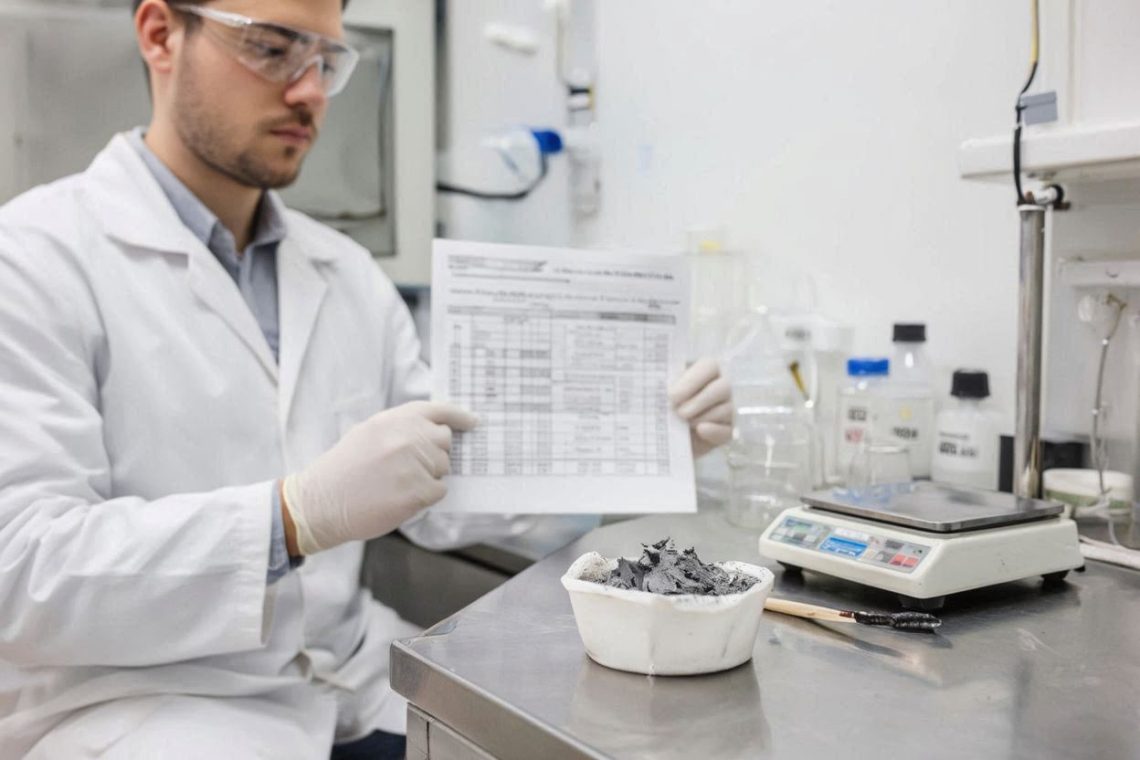
Quality control teams test ash content by burning samples under controlled conditions. After full combustion, remaining residue is weighed to determine ash percentage.
Problems Caused By High Ash Content
High ash levels create several performance issues. These include reduced airflow, unstable heat, faster charcoal replacement, poor user experience. In export markets, high ash percentage often leads to product rejection.
Conclusion
Ash Percentage Hookah Charcoal Standard is a critical quality factor that determines how clean and efficient charcoal burns. From raw material selection to final drying, every production stage influences ash levels. Manufacturers who maintain strict control achieve better performance, higher customer satisfaction, and stronger market acceptance.
For stable sourcing and consistent production quality, many manufacturers rely on coconut charcoal briquette suplier to ensure premium raw materials. More insights into charcoal production and industry standards can be found at jacoid.com.