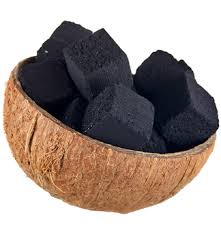
Charcoal coconut shell products deliver high heat, long burn time, and stable performance for professional applications.is widely preferred because it burns cleaner and lasts significantly longer than traditional.
Understanding the production process helps buyers choose premium briquettes confidently.
Moreover, this conversion method transforms waste into valuable energy. As a result, the final product becomes efficient and environmentally friendly.
What Is Charcoal Coconut Shell?
This fuel is produced through controlled carbonization of natural shells. The process removes moisture and volatile compounds carefully. Consequently, the final product contains high fixed carbon levels.
Additionally, it has a dense structure and uniform shape. Therefore, it delivers consistent heat during burning. Compared to traditional wood charcoal, it generates less smoke and minimal ash.
Coconut Shell to Charcoal Production Process Explained
The process starts by selecting mature, high density shells to ensure strong carbon structure and better performance.Next, producers dry the shells and carbonize them in limited oxygen kilns to remove volatile substances.
As a result, pure carbon forms and creates durable material.Finally, manufacturers compress it into dense briquettes, so the fuel burns longer and more consistently.
Key Factors in Production Quality
Several factors influence the final results. First, carbonization temperature must remain stable to achieve optimal fixed carbon levels.
Second, moisture content must stay low. Low moisture improves ignition and reduces smoke production. Therefore, premium briquettes light faster and burn more evenly.
Why Charcoal Coconut Shell Is Better for BBQ and Shisha
Arrange the briquettes evenly to ensure balanced heat distribution.Then, let them turn fully gray before cooking so the temperature remains stable and food cooks evenly.
For detailed guidance, visit how to use coconut shell charcoal.The guide explains airflow management and ignition techniques clearly.
Heat Stability and Burning Efficiency
This fuel maintains stable heat during extended cooking sessions. Therefore, it supports slow grilling and commercial food preparation.
Moreover, it produces minimal ash residue. As a result, cleaning becomes faster and more efficient.
Additionally, its dense structure resists cracking while burning. Consequently, fewer briquettes are required per session.
Environmental Benefits of Sustainable Charcoal Production
This production method supports sustainability because coconut shells are renewable agricultural by products. Therefore, it reduces dependence on hardwood forests.
Moreover, the process utilizes waste materials efficiently and lowers overall environmental impact. As a result, global markets increasingly prefer this eco friendly fuel for export and commercial use.
Choosing Premium Charcoal Supplier
Selecting the right supplier ensures consistent quality. Buyers should evaluate density, ash content, and moisture levels carefully.
You can explore reliable charcoal coconut shell solutions at neonagy.com. The platform provides detailed product specifications and professional support.
Moreover, experienced manufacturers apply strict quality control systems. Consequently,products meet international performance standards.
Conclusion
In conclusion, this conversion method produces durable and eco friendly fuel with stable and consistent heat output. It combines efficiency with sustainability, making it suitable for long cooking sessions.
Moreover, its dense structure ensures longer burn time and minimal ash residue. As a result, users experience cleaner combustion and easier maintenance.
Because of its reliable performance and environmental advantages, this fuel remains ideal for BBQ, shisha, and professional cooking applications. Therefore, it offers both economic value and long term operational efficiency.