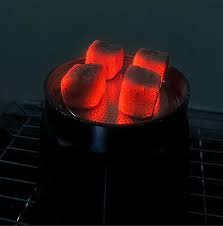
Types of charcoal for grilling determine heat performance and cooking consistency. Many grillers underestimate the importance of charcoal selection. Therefore, choosing the right type improves efficiency and flavor results. Moreover, understanding charcoal characteristics helps reduce fuel waste and stabilize temperature.
Understanding the Main Types of Charcoal for Grilling
Grillers commonly choose between lump charcoal and briquettes. Each option offers distinct advantages and limitations. Therefore, you should evaluate your cooking style before deciding.
Lump charcoal consists of natural hardwood pieces. It ignites quickly and produces intense heat. However, it burns faster and less consistently. Consequently, temperature control becomes more challenging during long sessions.
Briquettes, on the other hand, offer uniform shape and density. Therefore, they burn longer and provide steady heat output. Additionally, briquettes simplify stacking and airflow management. As a result, many commercial grillers prefer briquettes for consistent performance.
Comparing Types of Charcoal for Grilling Based on Performance
Heat duration plays a crucial role in grilling efficiency. Lump charcoal delivers rapid high heat for searing. Meanwhile, briquettes maintain moderate and stable temperatures longer.
Ash production also differs significantly. Lump charcoal produces less ash but burns unevenly. In contrast, briquettes generate manageable ash while maintaining steady combustion. Therefore, briquettes often suit professional applications better.
Choosing What Kind of Charcoal for Grilling
Selecting the right charcoal depends on cooking goals and equipment. If you need quick searing, lump charcoal may work well. However, for longer sessions, briquettes offer better reliability.
If you are unsure what kind of charcoal for grilling fits your needs, review product specifications carefully. Density, moisture content, and fixed carbon affect performance directly. Therefore, always check technical details before purchasing.
Coconut shell briquettes provide high fixed carbon and low moisture levels. Consequently, they burn longer and produce minimal smoke. Moreover, their uniform structure improves airflow consistency inside the grill.
Why Quality Matters in Types of Charcoal for Grilling
Quality charcoal enhances both flavor and operational efficiency. High density briquettes reduce frequent refueling interruptions. Therefore, cooking sessions remain stable and productive. Additionally, consistent shape supports even heat distribution.
Low quality charcoal often burns unpredictably. As a result, grillers struggle with fluctuating temperatures. For this reason, reliable suppliers become essential partners.
At nshookah.com, buyers can explore detailed information about charcoal specifications and performance standards. The platform provides helpful insights for wholesalers and distributors. Therefore, customers make informed and confident purchasing decisions.
Furthermore, sustainable sourcing practices improve environmental responsibility. Coconut shell charcoal utilizes renewable materials effectively. Consequently, businesses support eco-friendly production while maintaining high heat performance.
Sustainability and Environmental Considerations
Sustainable charcoal production supports environmental responsibility. Coconut shell charcoal utilizes renewable agricultural byproducts effectively. Consequently, manufacturers reduce wood cutting and waste accumulation.
Furthermore, efficient combustion lowers excessive smoke emissions. Therefore, grilling becomes cleaner and more environmentally friendly. Responsible sourcing strengthens brand credibility and long-term market trust.
Conclusion
In conclusion, understanding types of charcoal for grilling improves cooking consistency and fuel efficiency. Lump charcoal offers quick ignition and intense heat. Meanwhile, briquettes provide longer burning and stable temperature control.
By evaluating density, moisture, and combustion characteristics, grillers select the best option. Furthermore, quality sourcing ensures reliable performance across applications. Ultimately, informed charcoal selection leads to better grilling results and stronger customer satisfaction.